
Dear Reader Namaste!
Many Greetings from RSKS India….
World Environment Day, led by the United Nations Environment Programme (UNEP), has become one of the world’s largest platforms for environmental awareness—uniting millions of people, thousands of organizations, and governments across more than 150 countries every year.
Established by the UN General Assembly in 1972 (A/RES/2994 (XXVII)) and first observed on June 5, 1973, World Environment Day continues to raise awareness, inspire change, and drive global action for a healthier, more sustainable planet.
World Environment Day is observed annually on June 5. It was initiated by the United Nations (UN) during the Conference on the Human Environment held in Stockholm, Sweden, in 1972. Subsequently, the first Environment Day was celebrated on June 5, 1973. Its objective is to raise public awareness regarding environmental conservation.
Some of the key reasons for observing this day are as follows:
Environmental Conservation: Alerting people to serious issues such as climate change, global warming, plastic pollution, and deforestation.
Raising Awareness: Educating people—at both individual and community levels—on how they can protect the environment from harm by making small changes in their daily routines.
Sustainable Development: The prudent use of natural resources to ensure the Earth remains safe and resource-rich for future generations.
Global Cooperation: Bringing together governments, citizens, and businesses from around the world on a single platform to inspire concrete actions for environmental protection.

Environmental Conservation
Environmental conservation means taking steps to care for and restore our natural surroundings. Pollution, deforestation, and waste harm nature and wildlife. Everyone can contribute through practices like recycling, tree planting, and water conservation. It is important to teach both children and adults about the impact their actions have on the Earth. By working together, we can keep the environment healthy for ourselves and future generations.
Why is the environment important?
A balanced environment is crucial for the survival of all living beings. It plays a fundamental role in the following areas:
Supporting life and ecosystems: The environment provides everything necessary for survival—oxygen, food, water, and a stable climate.
Forests, oceans, and wildlife ecosystems help maintain biodiversity and regulate the planet’s balance.
Regulating climate and weather patterns: Trees absorb carbon dioxide and release oxygen, helping to mitigate the impacts of environmental changes. Natural landscapes like wetlands and forests act as buffers against extreme weather events such as floods, storms, and droughts.
Availability of natural resources: Earth’s natural resources—minerals, fossil fuels, water, and timber—are essential for industries, infrastructure, and daily life.
However, these resources are being depleted due to overconsumption and mismanagement.
Protecting human health: A clean environment ensures good health. Polluted air, contaminated water, and excessive plastic waste contribute to illnesses such as respiratory infections, cancer, and waterborne diseases.
Improving quality of life: Green spaces, forests, and oceans are beneficial for recreation and mental health. Access to a clean and green environment improves overall well-being and promotes a sustainable lifestyle.
Current Environmental Challenges Today, the environment is facing numerous serious challenges, the impact of which is clearly visible on human life, wildlife, and natural resources. The major challenges are as follows:
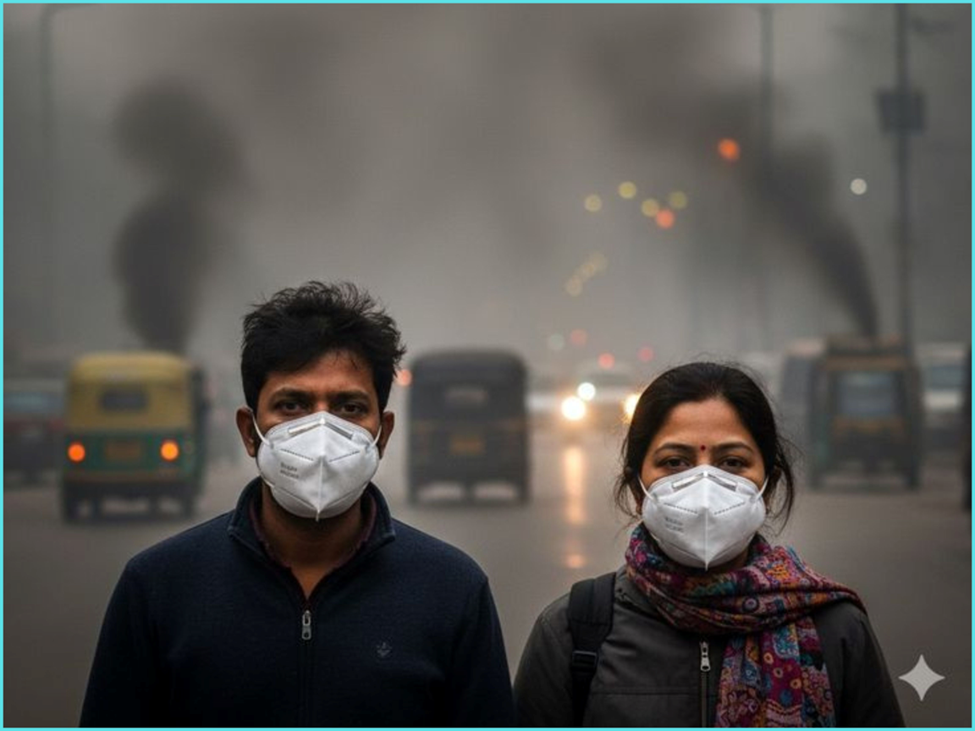
• Air Pollution: Smoke emitted from vehicles, industries, and other sources is degrading air quality, leading to an increase in respiratory diseases.
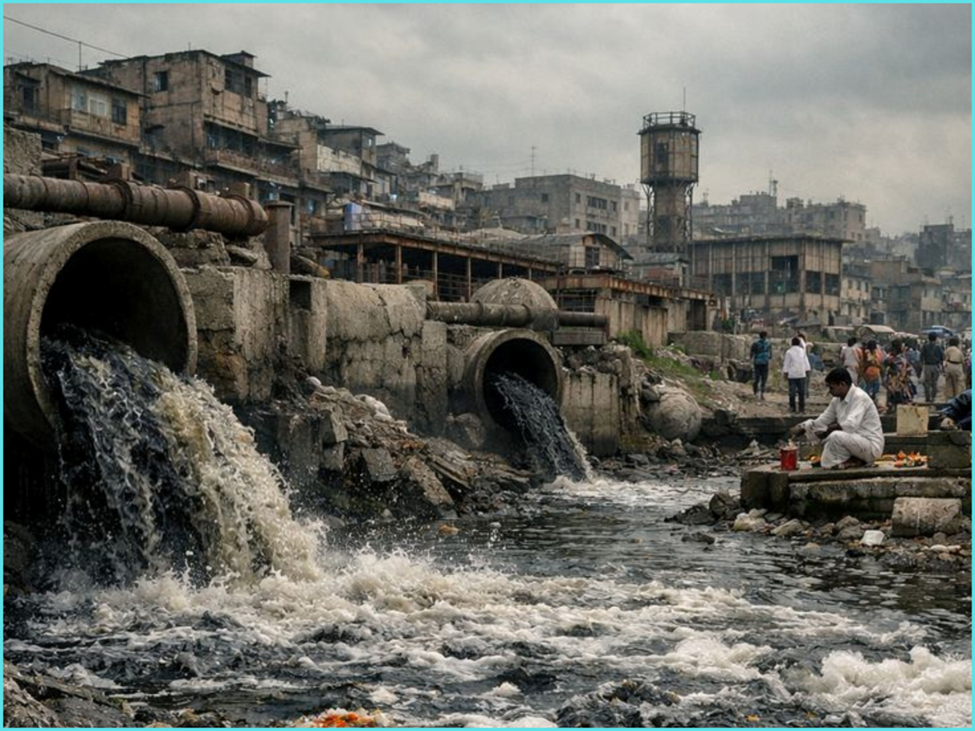
• Water Pollution: The availability of clean water is being affected by the discharge of industrial waste, plastic, and chemical substances into rivers, ponds, and other water sources.

• Climate Change: Rising global temperatures, erratic rainfall, droughts, floods, and the increasing frequency of natural disasters are serious indicators of climate change.

• Deforestation: Large-scale felling of trees is taking place due to urbanization and industrial development, affecting biodiversity and environmental balance.

• Plastic Pollution: Single-use plastic has become a major problem for the environment. It harms the soil, water, and wildlife.

• Water Crisis: Water scarcity has become a serious problem in many regions due to a growing population and the excessive exploitation of groundwater.

Loss of biodiversity: Many species of animals, birds, and plants are on the verge of extinction, negatively impacting the ecosystem.
World Environment Day is observed annually on June 5th. Its objective is to raise awareness about environmental conservation and foster a sense of responsibility towards nature.
Tree Plantation
Tree plantation is one of the most effective measures for environmental conservation. Trees provide us with clean air, shade, and the oxygen essential for life.
Awareness Rally
Awareness rallies are used to convey messages to the public regarding environmental conservation, cleanliness, and the preservation of natural resources.
Poster Competition
Poster competitions provide children and youth with an opportunity to convey messages about environmental conservation through their creativity.
Cleanliness Drive
The objective of a cleanliness drive is to keep the surroundings clean and raise awareness among people about the importance of cleanliness.
Environmental Pledge
Through an environmental pledge, people commit to planting trees, conserving water, and reducing pollution.
Awareness Sessions in Schools or Communities
These sessions raise awareness by providing information on topics such as environmental conservation, climate change, water conservation, and adopting a clean lifestyle.

Participation of Children, Women, Youth, Teachers, and the Community on World Environment Day
On the occasion of World Environment Day, children, women, youth, teachers, and community members enthusiastically participated in events organized by RSKS INDIA to convey the message of environmental conservation. Participants engaged in activities such as tree plantation, cleanliness drives, awareness rallies, poster competitions, and taking an environmental pledge, thereby resolving to fulfill their responsibility towards nature. This collective participation served as a positive initiative to raise awareness about environmental protection and work towards building a green and clean future.
A Pledge to Save the Environment
The environment is the foundation of our lives. Clean air, pure water, greenery, and natural resources enable us to lead healthy lives. However, the environment is suffering severe damage due to rising pollution, deforestation, and the excessive exploitation of natural resources. Therefore, it is the duty of us all to pledge to protect the environment.
Let us plant more trees, conserve water, reduce plastic usage, maintain cleanliness, and fulfill our responsibilities towards nature. Our small efforts can ensure a clean, safe, and green environment for future generations.
“The Earth is not an inheritance from our ancestors, but a trust for our future generations. Let us pledge to protect the environment on World Environment Day and build a clean, green, and safe future.”
We highly value your feedback, suggestions, and comments on our programs. Please feel free to reach out to us at admin@rsksindia.ngo
Warm Regards,
Team RSKS India
Follow us on Facebook for regular updates. https://www.facebook.com/rsksindia/